Cruising FAQ’s

In preparation for cruising, I have been scouring the internet and all of my books for FAQ’s regarding preparation. In the last blog, I brought you some awesome tips for cruising, in this one we will go a little more in depth to cruise line prep.

Now, all of these questions and answers have come from a variety of cruise lines. I hope these help you when you are thinking of your next cruise! Please remember to check with your travel agent about the specifics of your cruise line. For example, not all cruises, or cruise lines, have formal nights. So, it is always best to remember that these are general FAQ’s and to double check what your cruise policies are.


 Before You Go

1. Pre-booking and preplanning of activities and services

Pre-book shore excursions.

Make reservations at specialty restaurants.

Reserve tickets to special shows.

Purchase beverage and/or wine packages.

Make arrangements for celebrations ( birthdays, anniversaries, etc)\

Pre-book any and all spa treatments.


2. Online check-in and travel documents

Complete your online check-in. Each line has their own specific time frame for when this has to be completed. Make sure you are aware of this time frame and have it done as soon as you possibly can. Failure to do so may lead to long delays in port, or even denial of boarding.

During embarkation, have all valid documentation required to enter each country on your cruise itinerary, even if you won’t disembark at every port. Again, if you do not have all of the proper documentation, you could be denied boarding. Your travel agent will be able to help you with all of the documentation that is needed.

3. Luggage Tags

Make sure all of your cruise line luggage tags are on your luggage prior to leaving. This will help you to easily identify your luggage upon retreival. It also helps any ground teams to direct you to your transfers.

4. Immigration Forms

Complete the cruise lines immigration forms before arriving for check-in.

5. Cruise lines’ on-board policies and codes of conduct

Read and sign the cruise lines forms regarding their on-board policies and codes of conduct. Failure to result to these policies could result in you being asked to leave the ship.

6. Embarkation

Check your travel documents for the specific time to board your cruise ship.

In larger ports, and depending on the cruise line, electronic kiosks may be available for check-in. These can help to speed up the process.

All ships have security checkpoints. Make sure to read which items are permitted in your carry-on before packing.

7. Disembarkation

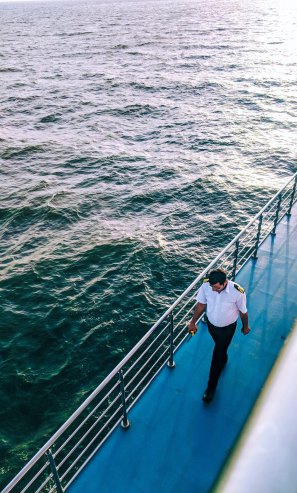
The process and schedule for disembarkation will be provided on board. You will be given instructions on how to prepare for disembarkation, including luggage pickup times. You may be given special tags for your luggage.

Disembarkation times are in order of flight times. Priority is given to guests with earlier flight times.
 

billeasy-694316-unsplash

On Board

1. Dining

A large variety of dining options are available on most ships to suit your needs. These include:

– Fixed seating: set dinnertimes

– Open seating: choose when and with whom you want to eat

– Specialty restaurants: remember to make your reservations prior to boarding

– Casual dining: buffets, restaurants serving snacks, and room service

2. What to wear

This can and will vary from cruise line to cruise line, some cruise lines have no formal nights at all.

Casual attire during the day.

In the evening, resort casual for outdoor events, and informal dining; elegant casual for specialty restaurants; cocktail or evening dresses, and jackets or suits for formal nights.

3. Gratuities

On most ships, daily gratuities are charged directly to your account. You can also check with your travel agent to see if they are available in a pre-paid package. You may even have a nice little surprise to find out that they are included in your cruise fair!

4. Purchases

Cruise lines operate on a cashless system. Upon check-in you will be required to leave a credit card on file for all on-board purchases.

You will sign for all on-board purchases using your ship id card or bracelet.

The currency onboard most ships is USD or Euros depending on your itinerary. I have seen some in British Pounds and Australian currency as well.

5. Medical services

All ships have some form of medical services on board.

6. Smoking

Smoking is permitted ONLY in designated areas.

7. Gambling and alcohol

You must be 21 years of age (unless otherwise indicated) with proper photo i.d. to drink alcohol or gamble.

8. Laundry services

Most cruise lines offer valet laundry service on board (for a fee). Some lines offer suites that have laundry services included, and can even include unpacking and packing services.


Please just remember that these guidelines can vary from cruise line to cruise line, and even from ship to ship. Although this is a good starting point, it is always best to talk to your travel agent about everything, and see what needs to be done before and during. Also, it is good to ask if there are things that you can add on as inclusions.. For example, cruise lines offer different all-inclusive beverage packages.

In this series, we will cover a variety of cruise lines, a varierty of suppliers that offer both air and cruise inclusives, and even add-ons, like beverage packages.
Cruise Tips : The Do’s and Do Not’s for First-Time Cruisers

Alright, a little secret before we continue. I have been places, I have travelled, I have seen things… I, however, have never been on a cruise… Shocking! Horrifying! The scandal, I know! Haha… Anyways, seriously, I have never been on a cruise and have two planned that are coming up quickly.

In planning these, I have scoured the internet and interviewed friends and family and have compiled a list of what to be prepared for. I have decided that since I spent all this time compiling this list, I would share it here, for all my awesome readers.

So, let’s get into the do this, don’t do that of cruising!


reynier-carl-440180-unsplash

This is seriously just a jot note type of list, nothing fancy. I am thinking of setting up an easily printable list on my blog. In the meantime, you can send me an email and I will send you the printable file!

General Tips

  • Do pre-book your shows and specialty dining reservations
  • Do complete your luggage tags and pre-cruise documents before leaving
  • Do choose a stateroom in the middle of the ship if you tend to get seasick (or think you may get seasick)
  • Do pack at least one sweater and jacket
  • Do budget for onboard expenses such as drinks, excursions, and gratuities
  • Do use a trave agent to book your cruise. You can save money and possibly get some extras that you wouldn’t receive booking yourself
  • Do purchase travel insurance
  • Do not neglect passport and visa requirements. You can be denied boarding
  • Do pack a power strip with USB plugs to charge all of your electronics.
  • Do not fly in the day your cruise sails. Talk to your travel agent about booking a hotel and flying in the day before.
  • Don’t forget sunscreen
  • Do take advantage of all of the amenities offered. The cruise lines deliver a newsletter each morning. Pack a highlighter, this way you can highlight the daily actvities you are interested in
  • Pack a cruise carry-on. This seems to be one that I have found everywhere! You may not get your luggage, or even into your room, until after dinner time. Make sure your carry-on has identification, cruise documents, medications, money, electronics, bathing suits, a sweater, etc.. Anything that you feel you will need before being able to get into your luggage.
  • Do be aware that gratuities are either paid for in advance of the cruise or charged to your onboard account. This is an additional expense
  • Do not wait to settle your onboard account on the morning of departure. Take care of it the night before.
  • Do arrive on time for the mandatory safety drill
  • Don’t get a stuck with a massive cell phone bill. Put your phone on airplane mode or check your carrier’s roaming charges
  • Do talk to the crew, find out what places in the different ports offer free wi-fi.
  • Pack a flashlight, cabins (especially inside cabins) can be very dark.
  • Do not overpack. Everyone tells me that no one will care if you wear the same outfit a couple of days. Actually everyone tells me, no one will even notice.
  • Don’t book your trip over a school holiday and not expect a cruise full of families.  I’ve heard many people complaining about too many kids on a cruise – it was Spring break!
  • Do make reservations for any specialty restaurants, spa services, or excursions on the first day of the cruise, if you did not pre-book these
  • Do be prepared to have your photo taken. You don’t have to have it taken, but it is easier to just smile.
  • Do be prepared for motion/sea sickness. Bring medication, ginger, sea bands, etc.
  • Bring a reusable water bottle for everyone you are travelling with


Family Tips

  •  Do take advantage of the kid’s club.
  • Don’t let your kids run and yell down the hallway of the stateroom areas.
  • Do consider multigenerational travel. Cruises are great vacations for taking with grandparents, aunts, and uncles
  • Do pack a stash of medications, especially for kids. The ship will have some medication in a pinch and available for purchase, but it’s best to save money, and bring your own
  • Do purchase lanyards for everyones sea cards
  • Don’t be afraid to meet new people


Eating and Drinking

  • Do use hand sanitizer
  • Don’t use your hands at the buffet
  • Don’t stand around the buffet area – move out of the way and let people in so they can get their food
  • Don’t be scared to ask for something that is not on the menu
  • Do opt to eat breakfast and lunch in the dining room on occasion, instead of only eating at the buffet during these meals
  • Don’t eat something if you don’t like it
  • Do use a new plate each time you go back to the buffet
  • Do try new foods and drinks
  • Don’t skip room service. Many lines offer room service for free.
  • Do budget for one specialty dining experience.


Recreation Tips

  • Do research ports of call before sailing
  • Do attend port talks if you haven’t researched the port of call in advance
  • Do not assume cruise ship excursions are the only option. Talk to your travel agent, there are many excursions offered by indepent compaines as well.
  • Don’t miss the shows


And, the final tip that I have.. Kind of parting words..

Do be fully prepared to book another cruise. I hear there is something special about being catered to, and visiting numerous destinations and only unpacking once.

I think I am more prepared now, then I was before I began this research. All February long we are going to be talking crusing, so there will be more to come!


Married On A Cruise

When we think Destination Wedding, most us think of white sand beaches, the ocean behind us, a beautiful resort, not a cruise ship… I can definitely say that cruise ship sounds like the perfect wedding!

I recently completed a series of courses through Princess Cruise Lines, one of these courses was all about their Tie the Knot weddings. I cannot even begin to tell you how truly amazed I am at what can be accomplished.

First, there are three different ways that you and your loved one can get married.

1. At Sea

These ceremonies are performed by the Captain. Packages are very reasonabe and this is a great way to lessen any wedding stress. The ceremony will be held either in the wedding chapel (on select ships) or in the beautiful library.

2. Harbourside

These ceremonies are a wonderful way of including friends and family who may not want to partake in the cruise. They are conducted in the port of embarkation, prior to the cruise, and are performed by a local, non-denominational officiant.

3. Ashore

Palm trees, white sand beaches, European cities, the Alaska wilderness… Where can your dreams take you?

No, seriously, when you imagine your dream wedding, is it at an exotic location? A white sand beach? A beautiful vineyard? Princess offers more than 300 ports where destination weddings can be performed. Some of these ports include:

  •  Auckland, New Zealand
  • Grand Cayman, Cayman Island
  • Juneau, Alaska
  • Lucca, Italy
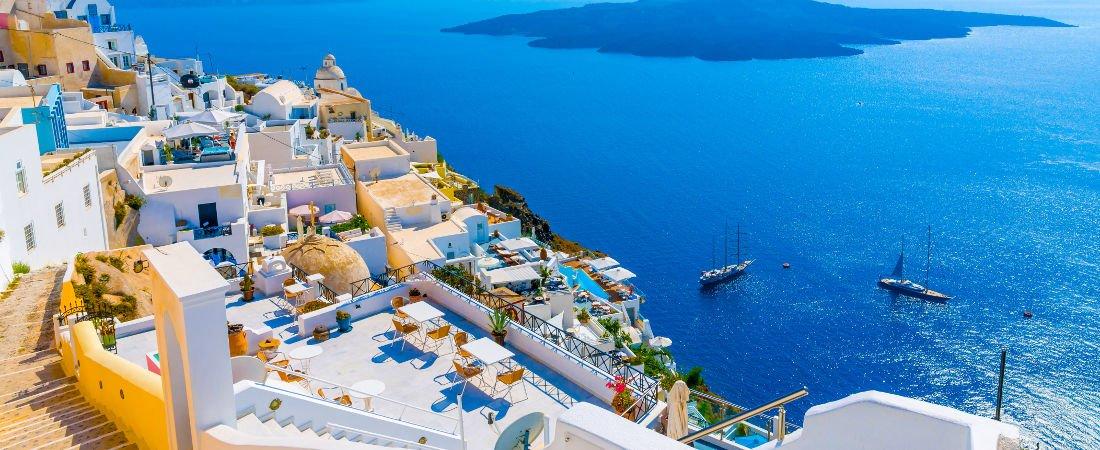
  • Santorini, Greece

Santorini… Sorry daydreaming a little…

Alright, let’s talk packages…

The Tie the Knot at Sea package includes quite a bit of wedding goodness. Think candlelight ceremony, a wedding coordinator to help you, ceremony music, floral arrangements and the Bridal bouquet, a boutonniere, photography services and photos, a wedding cake, wine, breakfast, and a special dinner for two, and there is still so much more.

The Tie the Knot Harbourside and Tie the Knot Ashore packages are similar, there are only a few differences. They both are full of wedding greatness.

Then there are the extras… Reception celebrations, food, bar service, cake, spa services, flowers, 3 different kinds of sculptures, and more. Honestly, this is going to turn in to one long post if I tried to name everything available for a beautiful Princess Wedding.

Do you know what the best part of getting married on a cruise is? The Honeymoon! Just think, you find yourself getting married in Santorini… Your honeymoon is made up of Barcelona, Marseille, Florence, Rome, Kotor, Crete, and that is just to name a few of the glamourous ports. No packing and unpacking, just enjoying your wedding and honeymoon.

santorini-island-1

10 Destinations You Can’t Miss on Your Trip to Southeast Asia

With more than 600-million people spread out over 1.7-million square miles of vast jungles, endless archipelagoes, and bustling megacities, Southeast Asia can be intimidating. Settling on just one bucket list for such a boundless travel destination is a daunting feat, so we’ve done our best to break it down for you!

1.  Bangkok, Thailand

The de-facto hub of Southeast Asia, Thailand’s capital embodies the past, present and future of the region. From the ancient temples of Rattanakosin old city, to the glass-and-steel skyscrapers of Silom and Sukhumvit, and from the crowded shopping stalls of Chatuchak Weekend Market, to the delicious street food of charming Chinatown and sleepy Suan Phlu, this incredible city has something for everyone. Better yet, you can take cheap nonstop flights to every major city in Southeast Asia from Bangkok’s two airports.

2.  Bagan, Myanmar

Speaking of temples, there’s no better place in Southeast Asia to enjoy them than Bagan, a (formerly) sleepy town on the shores of Myanmar’s Irawaddy River. Whether you fly a hot-air balloon over the 2,000 temples that dots this mystical landscape, or rent an electric bike to explore them at ground level, it’s impossible not to feel enchanted.

TIP: Add an extra layer of charm to your Bagan trip by arriving on a slow boat from Mandalay.

3.  Ha Long Bay, Vietnam

There is perhaps no landscape as iconic of Southeast Asia than Vietnam’s Ha Long Bay, where dozens of limestone karsts tower above sparking, turquoise waters. Ha Long Bay is a versatile destination as well, whether you prefer to base yourself as a hotel in Ha Long city and boat through the UNESCO World Heritage site at sunset, or fully immerse yourself in the experience by choosing sleep-aboard accommodation.

4.  Phnom Penh, Cambodia

In the past, Siem Reap was the Cambodian city to visit, if only because of its proximity to legendary Angkor Wat. But these days, Cambodia’s capital Phnom Penh is having a moment. While many of the city’s attractions focus on the atrocities of the Khmer Rouge regime, from Tuol Sleng Prison, to the surprisingly uplifting Killing Fields, the city boasts a charming riverfront, the magnificent Cambodian Royal Palace and sits within day-trip distance of some Angkor-era ruins of its own.

5.  Penang, Malaysia

Colonialism in Southeast Asia had some unintended consequences, but they weren’t all awful. Take Georgetown, the capital of Malaysia’s Penang Island, where heritage architecture like the Cheong Fatt Tze ‘Blue Mansion’ adds priceless texture to a place already filled with delicious flavors (try the oyster omelet or tasty stir-fried Char Kway Teow noodles), stunning nature scenes (hike to the aptly-named Monkey Beach), and jaw-dropping panoramas like the one you enjoy from Penang Hill.

6.  Bali, Indonesia

The bad news? The Bali of Eat, Pray, Love is mostly a thing of the past, thanks to the thousands upon thousands of tourists that have flooded the island since Julia Roberts was there. The good news? Bali is an absolutely massive island, which means you can trade crowded Kuta Beach for more tranquil shores in Amed or Nusa Dua, or choose a rice field villa far outside of busy Ubud and bike into town only for the bare necessities.

7.  Luang Prabang, Laos

Laos might look tiny, but it’s overflowing with adventure, culture, and hospitality. There’s nowhere better to immerse yourself in all Laos has to offer than Luang Prabang, situated along the Mekong River in the far north of the country. Explore must-see sights like the Royal Palace, lively Luang Prabang Night Market, and idyllic Kuang Si waterfall, then take a westbound slow boat down the river toward the border with Thailand, or a southbound minibus through the jungle to Vang Vieng.

8.  Palawan, Philippines

They say it’s more fun in the Philippines, and a great deal more beautiful. While it’s difficult to select just one beach paradise in this archipelago nation of more than 7,000 islands, Palawan province is the perfect place to start. Snorkel in the crystalline lagoons of El Nido, boat along the Puerto Princesa subterranean river, or continue your journey of discovery by exploring secondary islands like Coron and Shimizu.

9.  Bandar Seri Begawan, Brunei

Surrounded by Malaysia on all sides and occupying only a small portion of the island of Borneo, Brunei is easy to miss, and tempting to skip. But a few days in this oil-rich nation is sure to illuminate, and we’re not just talking about seeing the Sultan Omar Ali Saifuddien Mosque lit up at night. Venture into Brunei’s rainforests to get up-close and personal with Bornean orangutans, or brush up on your history at the Royal Regalia Museum.

10.  Singapore

A city-state-country with countless laws on the books and zero pieces of trash on the streets, Singapore is a Southeast Asian outlier in more ways than the one. Whether you explore ethnic neighborhoods like Chinatown and Little India, recharge amid the spacey ‘trees’ of Gardens by the Bay, or enjoy an original Singapore Sling cocktail at historical Raffles Hotel, you’ll find that one or two days in Singapore is the ideal vacation from your vacation, particularly on longer Southeast Asia trips.

10 Adventurous Ways to Experience the South Pacific

If you’re looking for more than just cocktails under a coconut tree and another sunset, then the South Pacific has plenty of activities for those craving an adrenaline rush. We check out 10 South Pacific island adventures that will leave you amazed and energized.

1.  Climbing Waterfalls

Sure, Tahiti is one of the world’s best honeymoon destinations, but it’s much more. Give your body a workout with a rope climb up shuddering waterfalls in the French Polynesian island’s interior, where frigid waters are anything but pacific. Small tour operators take you to waterfalls at Vaipurau and Poutoa, with plenty of water jumps and natural stone chutes that plummet you into deep pools. The experienced can try a 150-foot rappel down the side of a large waterfall. The challenge is fun, the scenery glorious, and the waterfalls picture-postcard.

2.  White-Water Rafting

The Upper Navua River on Fiji’s main island Viti Levu is one of the South Pacific islands most pristine and protected rivers, and you can travel down it on single-day or overnight rafting adventures that take you from highlands to coast. You start in a canyon barely wide enough for your raft, navigate relatively tame rapids and stop to admire waterfalls before the river widens out, surrounded by lush hills in a slice of wild Fiji far from the tourist resorts.

3.  Wreck Diving

The more than 900 Solomon Islands offer exceptional wreck diving, especially off Ghizo and Guadalcanal. Fierce battles here between the Japanese and Allied forces during World War II left dozens of ships and fighter planes lying on the sea floor, a spectacularly eerie sight. The wrecks are now home to gigantic sea fans, sponges, multi-hued coral and a kaleidoscope of tropical fish. Manta rays float within arm’s length, and you’ll also likely spot reef sharks.

4.  Glacier Walking

Ice in the South Pacific islands? Sure, if you’re in Westland National Park in New Zealand’s South Island, where a guided walk or heli-hike takes you onto Fox Glacier to explore its spectacular ice formations. The alpine silence is disturbed only by the unnerving creaking and groaning of the always-shifting glacier, and the chip-chip of your guides as they hack steps in the ice. It’s a rare chance to see crevasses, ice caves and icefalls up close. Some companies take explorers to the steep upper icefall to abseil into moulins (ice holes) and traverse crevasses.

5.  Swimming with Jellyfish

Uninhabited Eil Island in the tiny island republic of Palau has become one of the world’s most renowned snorkeling sites thanks to its lake, which is traversed back and forwards each day by millions of migrating golden jellyfish. The jellyfish move east with the rising sun and return westwards in the afternoon. Their stings cause no harm to humans, which is just as well, since swimming here brings you in close proximity to these improbable creatures. Hundreds brush past your arms and legs in what is sometimes described as swimming through silken, jellied ribbons.

6.  Kayaking

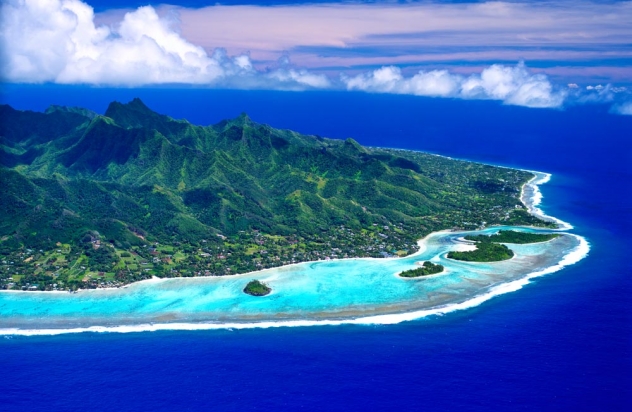
The South Pacific islands don’t have to be just about flop-and-drop holidays and honeymoons, with many destinations offering the chance to paddle right off white-sand beaches into lagoons of extraordinary blue. The lagoon on Aitutaki in the Cook Islands is considered one of the South Pacific’s most beautiful. Its edge – which runs for 28 miles around – is sprinkled with tiny motu or sand islands. One Foot Island is a particularly fine spot to pull up your kayak and take a Robinson Crusoe walk, and Maina Motu has coral formations just offshore that are great for snorkeling.

7.  Jungle Trekking

Papua New Guinea’s Kokoda Trail is a tough physical and mental challenge that leads 60 miles across the rugged, rainforest-covered Owen Stanley Ranges. It’s a rite of passage for hardly Australians, who follow in the footsteps of their soldiers who fought the Japanese here in 1942. Some 30 trekking companies can provide logistics. Head through jungle, wade across rivers, visit remote villages and learn about WWII history on an ‘outing’ – actually one of the world’s toughest hiking challenges – that provides a magnificent sense of accomplishment.

8.  Four-Wheel Driving

Several companies can escort you on 4WD tours of Rarotonga, the main island of the Cook Islands, to give you insights into local life, native plants and agriculture, and the heritage and traditions of the Cook Islands people. As you climb into the hills you get spectacular views over the lush tropical island and its vivid blue lagoon, trapped behind a fringing reef where surf booms. A traditional umu lunch of taro and chicken, baked underground on hot stones, is often included on tours.

9.  Horseback Riding

Base yourself at traditional village Poindimié in the north of the French island of New Caledonia and you’re surrounded by glorious countryside best explored on horseback. Nearby valleys feature tree ferns, huge stands of bamboo, scarlet flame trees and the occasional caves and waterfalls. Locals – who don’t even bother with saddles – race horses along the beaches. The Northern Province is the best place in New Caledonia to engage with indigenous Kanaks in their own environment, with many villages offering homestay arrangements.

10.  Snorkeling with Sharks

You can swim with harmless black-tipped reef sharks in many of French Polynesia’s islands, including Tahiti and Bora Bora. But in Huahine, a floating platform in the lagoon sees a host of sharks gather each mid-afternoon to be fed fish heads by local tour operators. Cautious sightseers can stick to the platform, but the intrepid can get into the water with upwards of 20 sharks for a thrilling up-close encounter as they cruise by within arm’s reach: sleek, sinister and utterly fascinating.

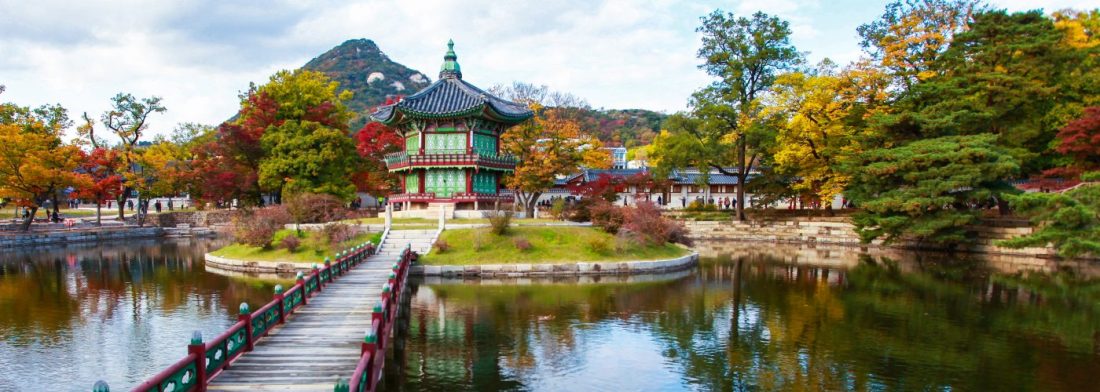
Navigating Korea’s Cultural Capital

More than half the South Korean population lives within an hour of Seoul, which makes it easy to forget all the country’s other treasures as you plan your trip. If it’s understated – and underrated – cultural experiences you’re after, board a KTX bullet train bound for Busan, the glistening pearl of Korea’s southern coast. From kaleidoscopic cuisine, to surprising structures, to world-class celebrations of the written word and motion picture, Busan beckons.

Taste the Seafood Spectrum

If you aren’t an early riser, you’ll want to change that before you arrive in Busan. Not only is the crack of dawn the best time to watch fishermen deliver their fresh catch to the colorful stalls of Jagalchi Market, but heading out around the time the sun rises allows you to see a truly rare sight: The streets of Jung-gu all but deserted, their neon signs dark and dormant after a long night shift.

Though a trip to Jagalchi Market is a decidedly local experience, tourists can get a taste of the action – literally. Sit down at one of many pop-up restaurants within the market, and dine on the fresh mackerel, eel and abalone that’s made it famous throughout South Korea. Come to Busan in October, when the Jagalchi Cultural Tourism Festival gives you an even deeper look into the market’s importance.

Ride a Spiritual Wave

Another great way to spend a morning in Busan is with a trip to Haedong Yonggungsa, a 14th-Century temple not far from the city’s famous Hyundae Beach. The soft light and minimal crowds you enjoy before about 10 am allow you to get lost in the lush pathways that snake through this sprawling oceanside house of worship, and to drown your thoughts in the waves the lap beneath it.

Looking for a postcard-perfect shot? After entering the grounds of the temple, but before crossing the bridge that leads to the main building, hang a left and walk down onto the rocks you see before you. This is the ideal vantage point to capture Haedong Yonggungsa, which was founded by the famous Goryeo-dynasty Buddhist Master Naong, in all its coast-hugging glory.

Climb Through Color

Have you ever heard Busan described as the ‘Santorini of the East’? This might not be apparent upon disembarking your train, but will be once you make your way to Gamcheon Culture Village, which is accessible via bus from Toseong subway station. On the other hand, the colorful patchwork of houses and shops you see as you make your way into this increasingly famous district exudes a beauty that transcends comparisons.

Opportunities for photography notwithstanding, the narrow alleyways and hillside lanes of Gamcheon more than live up to the culture their moniker foreshadows. The aptly-named ‘Small’ Museum gives you an authentic glimpse into the daily lives of local people who called this unique neighborhood home before it became a bonafide tourist attraction, while dozens of street stalls serve up hot, sweet Ssiat Hotteok pancakes. Make sure to stop at Haneulmaru viewpoint to take in the most complete panorama of Gamcheon Culture Village!

Get the Whole Story

Many visitors to Busan assume they’ll be unable to enjoy Bosu-dong Book Street, since the shops there primarily sell Korean books. Not only is this not entirely true (as the streets – there are a few of them – become more popular with foreign tourists, you’re more and more likely to see foreign books), but it misses the point. The attraction of Book Street is not only the books you can buy, but the unique atmosphere thousands of curious people thumbing through tomes creates.

The story of Bosu Dong Book Street, which you should visit around mid-day when it’s at its busiest to get the full effect, is also rather interesting. It was originally the main thoroughfare of a residential district created at the end of the Russo-Japanese occupation of Korea in 1948, but book shops opened in rapid succession (and, seemingly, without coordination) during the subsequent years, which lends the area a vibe that can seem almost magical.

Preview Coming Attractions

The city’s most high-profile annual event, Busan International Film Festival isn’t as easy to visit as the rest of the places in this article. If you aren’t here during the first or second week of October, you won’t catch any of its Korean and international films, an increasing number of which are world premieres. That’s the somewhat bad news.

The good news? Busan Cinema Center, where the festival takes place, is open year-round. A visit here, whether to see a film or to admire the Guinness-record holding architecture – longest cantilever roof in the world – of the building, guarantees a satisfying conclusion of your trip to Busan, and makes a sequel much more likely.

A Brief of Busan Basics

If visiting Busan during the Film Festival (or other notable events, such as May’s Lotus Lantern Festival or August’s Busan Sea Festival) isn’t a priority for you, there’s good news. Busan is a 365-day destination, with plentiful sunshine to warm you during its chilly winter, and reliable rain showers that cool its sweltering summers. Coming to Busan during spring or fall, meanwhile, allows you to experience Korea’s cherry blossoms (Japan’s aren’t the only game in town) and autumn colors, both within the city and in scenic locales just outside.

Don’t plan to pass through Seoul, but still want to see Busan? Take nonstop flights from Asia hubs like Tokyo, Beijing and even Bangkok. Or, if you’ll be in Japan and don’t mind taking the proverbial slow road, hop one of up to 10 daily ferries to Busan from the city of Fukuoka. Busan slowly comes into focus as coast northwestward through cobalt waters, like a diamond crystallizing in thin air.

Southeast Asia’s Most Spectacular Hikes

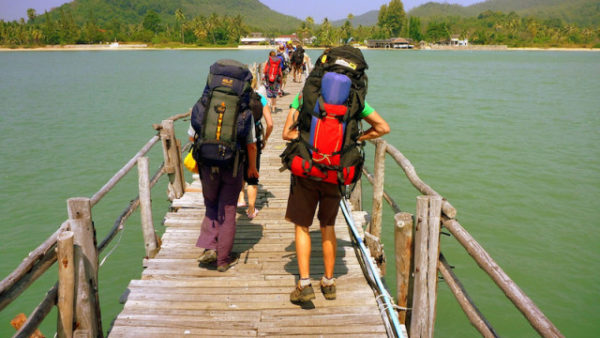
When you think of Southeast Asia, paradisiacal beaches, glittering temples, out-of-this-world street food, and (ethical) elephant experiences sprint to mind. What you might not think about is hiking, in spite of the lush mountains that make up much of the region’s topography – there’s so much to explore!

Kawah Ijen, Indonesia

They say travel is about the journey and not the destination, but when your destination is Indonesia’s ‘blue fire’ volcano Kawah Ijen, the journey might seem irrelevant, but you’ll need to begin ascending just after midnight if you want to see its blue flames (which occur due to sulfur deposits inside the volcano) before the sun rises.

As you hike, remain mindful and respectful of workers in the volcano’s sulfur mine, who are walking the same treacherous route as you, but with a backbreaking weight burden and for very little pay.

100 Waterfalls Hike, Laos

Waterfalls are far from a rare sight in Southeast Asia, particularly in Laos – the emerald mountains are positively overflowing with them. While no one can say for sure how many waterfalls you’ll encounter on the seven-mile trek from the town of Nong Khiaw (a short journey from tourism hub Luang Prabang), you’ll probably lose track yourself as hike through the lush jungle, taking breaks in aquamarine pools, and greeting local villages during your sojourn.

It’s perfectly safe if you stay on the main trail, but pay careful attention to your guide’s directions – Laos is home to the world’s largest number of un-exploded land minds.

Mt. Kinabalu, Malaysia

If you’re truly looking to challenge yourself, considering a climb (yes, we said “climb”) up Malaysia’s Mt. Kinabalu. Rising above the city of Kota Kinabalu in the eastern reaches of Borneo island, Mt. Kinabalu is the tallest mountain in Southeast Asia, with a height of more than 13,000 feet.

Climbing Mt. Kinabalu requires a minimum two-day time investment, and a certain level of fearlessness, since you’ll need to gain much of your final elevation with only the light of a headlamp to guide you. Trust us – the sunrise from the top is worth it!

Ta’al Volcano, Philippines

Southeast Asia has no shortage of volcanoes (we’ve already mentioned them twice!), but hiking Ta’al Volcano, which is located less than two-hours south of the Philippine capital Manila by car or bus, is a decidedly different experience than Kawah Ijen and its blue fire. After a short boat ride, you begin trekking up the outer wall of Ta’al, which is something of a geological matryoshka doll — a lake inside a volcano inside a lake.

The Ta’al Volcano hike is easily doable on a day trip from Manila, if you choose not to stay overnight in one of the historical homes in nearby Ta’al Town.

Railay Bay Viewpoint, Thailand

When you see the sign saying the ‘Viewpoint’ trail has begun, walking southward from the main stretch of Railay Beach in Krabi, Thailand toward Phra Nang cave, you might feel puzzled. After all, there’s no trail, or at least not an obvious one. That’s because your trek toward the panorama view point over stunning Railay Bay is almost completely vertical.

The good news is that while your angle of ascent remains relatively similar until almost the very end, it’s unlikely to take you longer than 30-minutes. And that’s a good thing, considering that you’ll want to spend as long as possible at the summit before night begins to fall.

Cao Bang, Vietnam

Just as one can never have too many volcanoes, so too are waterfalls something of which no traveler should ever tire. Ban Gioc Falls is stunning from ground level, where its majesty makes plain the reason this natural formation has served as an effective border between Vietnam and China for as long as it has. Hiking up one of the dozens of hiking trails that begin in the town, however, allows you to see the falls in the context of the karstic mountains that rise around them, which puts them in breathtaking perspective.

Speaking of which, we’re feeling a little winded just thinking about all these awesome hikes — what about you?

Why Cruising is a Great Way to Explore the South Pacific

The scattered, impossibly scenic islands of the South Pacific make for the perfect cruise destination but, beyond the scenery, there are many reasons why cruising is a great way to experience this beautiful, balmy destination.

The South Pacific is almost unimaginably huge. Polynesia alone covers a fifth of the planet’s surface, the Solomons are made up of more than 900 islands, and Australia’s Pacific coastline runs 2,800 miles from Cape York to Cape Howe. Most of the South Pacific is made up of small and very isolated islands flung like confetti across a vast ocean.

What makes sailing a great way to connect these islands is that cruise ships can travel overnight, leaving daytimes free for port visits. If you want to pack in multiple destinations within a relatively short period, only those with the budget for a private jet could do better.

Some places just don’t have the land infrastructure that makes travel easy, either. That particularly applies to Papua New Guinea and the nearby archipelagos of Vanuatu and the Solomon Islands, but even the most developed of South Pacific nations has its remote crannies that are hard to get to, yet well worth visiting.

For example, it takes a major effort to reach Milford Sound and Doubtful Sound in New Zealand in any way other than by ship. From the ship’s deck, though, their passing sea cliffs, drifting waterfalls and distant snow peaks can be admired without effort.

Some South Pacific highlights have no infrastructure at all. Expedition cruises might take you to lagoon edges, atolls, coral reefs and sand-bank islands known as motus that you can only reach by water, but which fulfill your every fantasy of a tropical getaway.

Among the loveliest of all South Pacific experiences is snorkeling straight off your cruise ship’s marina deck above another world of multi-colored parrotfish, bold blue damselfish and giant clams, open to reveal their startling beauty. It’s an entirely different experience from a land-based excursion that takes you out from a busy port to a reef where thousands of day trippers paddle and splash.

Crowded reefs are seldom a South Pacific problem. You’ll certainly find most destinations here far less crowded than their Caribbean counterparts. Even in many places in French Polynesia, famous as one of the world’s best honeymoon destinations, you’ll almost certainly to find your ship is the only one anchored off islands such as such as Nuku Hiva, Huahine or Rangiroa – or even Bora Bora. It’s the same in Fiji, where some of the Mananuca Islands have barely a footprint on the sand.

Another benefit of cruising is that many South Pacific destinations – from big cities such as Auckland to famous islands such as Tahiti – simply look their best from a ship. Sailing into the bay of the lovely island of Huahine in French Polynesia, where old volcanic peaks rear above lush forest and the lagoon shimmers kingfisher blue, is simply magical. So is navigating Sydney Harbor, with its scattered islands and beach-fringed, villa-crowned shoreline, before getting your first view of the Sydney Opera House.

What I also enjoy about cruising here is that, although some South Pacific cruises focus on a single destination – for example New Zealand, Papua New Guinea or French Polynesia – others take in multiple destinations, and bring you to places where you might never otherwise venture.

One of my personal favorite ‘finds’ was New Caledonia, a French territory where locals greet each other with a kiss-kiss and buy Brie in supermarkets smelling of fresh baguettes. The capital, Nouméa, has smart colonial buildings lined up behind flame trees, and great seafood restaurants.

Similarly, shore excursions in South Pacific ports offer interesting choices, tempting you into new experiences. Near Lautoka in Fiji, for example, you can visit the wonderfully named Garden of the Sleeping Giants, which has tremendous orchid displays, ponds afloat in lilies and landscaped lawns to gladden the heart of any garden lover.

At Port Vila in Vanuatu, you can swim in a jungle rock pool where waterfalls tumble, find Nemo on a snorkeling excursion, or discover Melanesian tradition at the indigenous Ekasup Cultural Village. You’ll find adventure, variety and the unexpected, and surely there are no better reasons to cruise than that.

Best Sunny Places To Cruise In The South Pacific

With so many stunning islands littered all over the South Pacific, it’s hard to know which ones you should visit on an ocean cruise. We look at the best locations you can get to, with the most striking landscapes and lagoons, that are guaranteed to please every kind of cruiser.

The Society Islands, French Polynesia

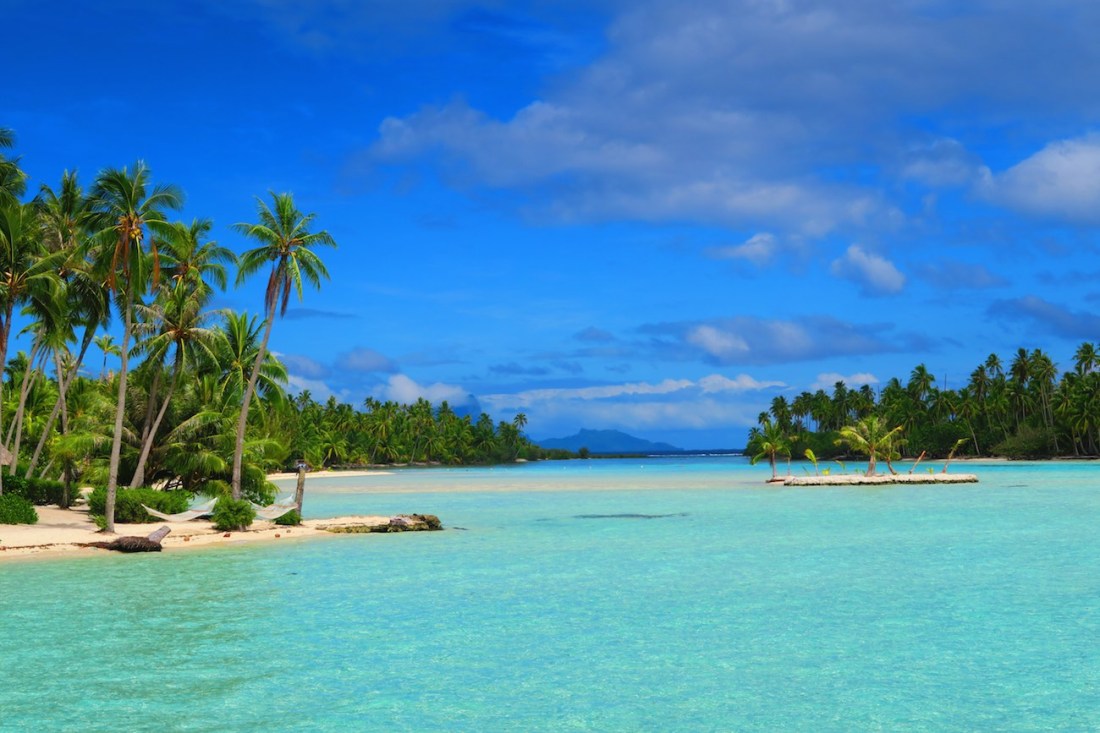
These are simply some of the most picturesque islands on Earth. There are two main cruise companies (contact your travel agent for more info!)  that operate an itinerary which takes in most of Tahiti’s Society Islands. Fly to Tahiti and your first stop will be the island of Moorea, just 28-miles west, where much of the Mutiny On The Bounty movies were filmed. Here, you can swim with dolphins and rays in a sheltered lagoon.

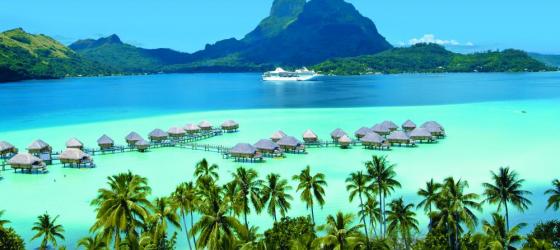
While Moorea is world-famous, the other islands of the Society Group are virtually a secret (except Bora Bora). Huahine and the twin islands of Ra’atea and Ta’haa receive few visitors – yet their lagoons are as stunning as Bora Bora’s. Ta’haa, in particular, is right off the grid, with mile-high peaks dropping into the lagoon, and locals living in tiny, basic villages. Every cruise here culminates with a visit to Bora Bora – where you’ll spend time in the world’s most famous lagoon, using uninhabited islets for barbeques and sun-downer drinks.

Loyalty Islands, New Caledonia

How New Caledonia doesn’t receive much more fanfare is anyone’s guess. It’s barely 2,000-miles east of Australia (the closest of all the South Pacific island groups) so getting there is easy aboard a cruise ship from Sydney (it’s one of the most popular destinations in the South Pacific from Australia).

The reason why New Caledonia is so perfect for cruising is that it’s protected inside the world’s largest lagoon, surrounded by one of the world’s largest barrier reefs. You can spend time in the French-style capital of Noumea with its European cafes, restaurants and clubs, then venture south-east to the Loyalty Islands. The Isle Of Pines is the most popular of these islands – it’s encircled in a lagoon with white sand bays, and a natural swimming pool separated from the ocean (called Oro). There are caves to explore all over the island.

Though equally beautiful, but less visited, is its neighbor, Mare. Here locals live in tiny villages with little tourism infrastructure. Visiting cruisers get to see right inside the simple communities of the island – as well as spending time exploring caves and snorkeling over World-Heritage-Listed coral.

The Marquesas, French Polynesia

If these islands aren’t on your bucket list, revise your list! Take a two-week journey aboard one of the last passenger/cargo combined vessels left on the planet to the world’s most isolated island archipelago, The Marquesas. You’ll need to fly to Tahiti, where a boat will ply its way north-east for 870-miles. It visits six of the 12 islands of the Marquesas (the rest are uninhabited), stopping at tiny villages where locals still live subsistence lifestyles.

You’ll get to hike across remote mountain passes, swim in front of villages with local children and attend boisterous church sessions with locals dressed up to the nines. Aside from infrequent and expensive domestic flights, this is the only way to visit these islands – so don’t expect to see other tourists.

Efate, Tanna and Espiritu Santo, Vanuatu

Many travelers won’t get past the main island of Efate – with its bustling capital, Port Vila – but it’s worth remembering that there’s 83 islands that make up Vanuatu. These are some of the wildest islands left in the Pacific – on some islands you’ll spend time with cargo cult tribes who still live in the rainforests in simple grass huts. While on one island – Pentecost – should you time it right, you’ll see locals jump from platforms with vines around their ankles to bless their yam harvest (this is where the concept for bungy jumping came from).

Keen divers should consider Espiritu Santo – it’s home to the sunken WWII troop carrier, SS Coolridge, considered the world’s best wreck dive site. While on Tanna you can visit an active volcano, Mt Yasur – standing right on the crater’s edge as dry lava is ejected. You’ll also find one of the world’s top-rated beaches – Champagne Beach on Espiritu Santo; while Tales Of The South Pacific author James A Michener got his inspiration for his novel (and the musical) South Pacificfrom time spent on Espiritu Santo during WWII.